
Utility-Scale Solar Design Software: The Complete Guide for EPCs and Developers

What Is Utility-Scale Solar Design Software?
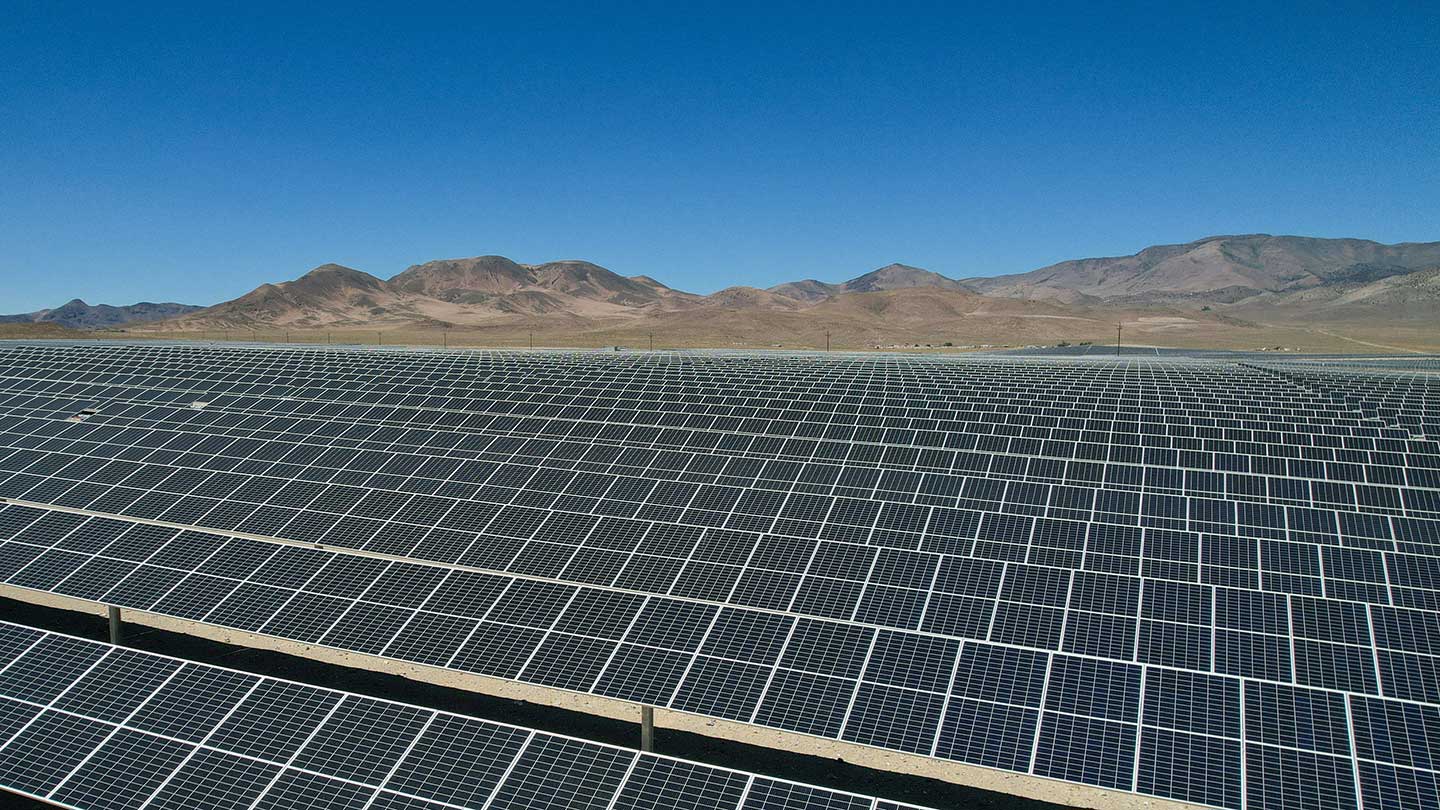
Utility-scale solar design software is used by EPC contractors and developers to plan, engineer, and evaluate large ground-mounted PV projects in a single environment. Instead of producing static drawings, it links site and terrain, layout, civil, structural, electrical, energy, and cost data, so every design change updates the numbers that decide whether a project is buildable and economically sound.
PVFARM is a utility-scale solar design platform built as a decision-intelligence layer that creates a connected project model reflecting layout, electrical, structural, civil, and financial inputs. It is used by more than half of the top U.S. utility-scale EPCs in their workflows.
Key Takeaways
- Utility-scale solar design software replaces static CAD drawings with buildable, economically grounded layouts, in which quantity, cost, yield, and equipment compatibility are tied to the design from the start.
- Civil, structural, and electrical teams work from a single multidisciplinary project model, so every discipline shares the same numbers when design or equipment changes.
- High-resolution 3D terrain modeling and automated grading strategies enable EPC and development teams to identify terrain constraints and grading trade-offs early, reducing the risk of unexpected earthwork costs in the field.
- In-app energy modeling connects layout geometry to yield forecasts, enabling teams to weigh CapEx against energy output and fine-tune designs to meet their LCOE and IRR targets.
Why Do Legacy Design Workflows Cost Utility-Scale Solar Projects So Much?
Legacy workflows don't surface design trade-offs until late in the process, when changes are most expensive. Utility-scale solar projects face an increasingly complex development landscape in which traditional engineering practices negatively affect project margins and timelines.
The amount of work is rising, too. The U.S. utility-scale segment installed 9.6 GWdc in Q2 2026, up 61% year over year, and a 216–240 GWdc safe-harbored pipeline is now moving toward construction, according to SEIA and Wood Mackenzie's Solar Market Insight Report Q3 2026.
Legacy workflows rely on disconnected software applications, creating operational bottlenecks that slow down site assessments and introduce substantial financial risk before construction even begins—the same pattern behind many of the biggest risks in solar farm development.
Below are three common ways legacy, file-based workflows affect EPC and developer projects.
Disconnected Files and Data Drops
Layout, grading, electrical, and energy models live in different tools and drift out of sync as projects move from concept to detailed engineering.
Late Surprises
Grading volumes, pile lengths, or cable costs surface after the layout is "final," forcing redesigns that erode schedule and margin.
Too Few Options Explored
Manual iteration means teams commit to a design before understanding trade-offs.
What Should Developers and EPCs Look for in Utility-Scale Solar Design Software?
Modern utility-scale solar design software replaces fragmented, manual drafting with an integrated engineering engine that unifies civil, structural, electrical, energy, and cost modeling within a single connected project model.
Design platforms like PVFARM automate repetitive layout work and keep performance metrics in sync as the design changes. Engineers stay in control: the software gives them better information earlier, and engineering judgment stays with the project team.
When evaluating solar EPC software for utility-scale work, test these four capabilities first.
Does It Generate Buildable Layouts From Real Equipment and Site Constraints?
In CAD-based workflows, every change to setbacks, boundaries, or land constraints means redrawing array layouts, single-line diagrams, and grading plans by hand, and each revision can take [weeks — PVFARM to confirm typical revision time on utility-scale sites]. Look for automated layout generation that uses real racking, tracker, module, and inverter equipment and respects exclusion zones from the start. PVFARM customers have reported up to a 96% reduction in design time and evaluate 10 to 20x more design alternatives earlier in the cycle. (Outcomes vary by project and workflow.)
Does It Model Grading Against Tracker Slope Tolerances?
On large, uneven sites, simplified terrain overlays miss the localized slope changes that matter for tracker tolerances, and the resulting earthwork costs tend to surface after mobilization. [PVFARM to confirm, or supply a representative project example.] Look for solar site grading software that processes high-resolution elevation data and lets civil teams compare grading strategies—terrain-following versus heavier grading, for example—with cut-and-fill estimates before field mobilization.
Does One Layout Change Update Every Discipline?
When civil, structural, and electrical teams work in separate tools, trade-offs get buried in sequential handoffs, and a mid-design change in equipment pricing or availability restarts review cycles across disciplines. Look for one multidisciplinary project model in which moving an array automatically recalculates string lengths, DC/AC ratios, cable sizing, and piling locations. That is the Building Information Modeling (BIM)-over-CAD advantage: layout, cost-adjacent outputs, yield, and constructability signals remain linked rather than being reworked across spreadsheets.
Does It Tie Layout Decisions to LCOE and IRR?
PV plant optimization depends on connecting layout geometry to yield and cost. Look for LCOE optimization tools with in-app yield simulation that updates as layouts shift, so teams can weigh site-preparation CapEx against projected output and fine-tune the design toward the project's LCOE and IRR targets.
For teams that want to explore the design space before detailed engineering, RE PILOT evaluates millions of viable PV and PV + BESS configurations—sweeping inverter loading ratio (ILR), ground coverage ratio (GCR), pitch, trackers, modules, inverters, battery size, and grid export limits—and surfaces the Pareto-optimal trade-offs between LCOE, energy yield, cost, and project value. RE PILOT was commercially launched in September 2026, and shortlisted options carry straight into PVFARM for detailed engineering.
How Does Traditional CAD Compare to Utility-Scale Solar Design Software?
Evaluating design platforms requires an understanding of how legacy CAD tools compare against modern, integrated solar design and utility-scale PV engineering workflows across key project milestones.
The table below outlines the operational and financial differences between traditional drafting workflows and PVFARM's data-driven approach.
| Solar Design Software Evaluation Criterion | Legacy CAD Workflow | PVFARM Integrated Approach |
|---|---|---|
| Design and Revision Speed | Manual layout revisions can take weeks per site update. | Automated layout generation; customers report up to 96% less design time and 10–20x more alternatives evaluated earlier in the cycle. |
| Civil and Terrain Modeling | Basic 2D surface overlays can lead to costly ground grading and cut/fill issues. | Advanced 3D topographic processing with multiple automated cut/fill grading strategies to compare. |
| Interdisciplinary Alignment | Data silos between civil, mechanical, and electrical teams slow handoffs and erode margins. | One browser-based project model and one shared set of numbers for civil, structural, electrical, energy, and cost. |
| Output Constructibility | Conceptual visual drawings require extensive manual detailing. | DXF layouts and blocking, pile and tracker data, and BoQ/BOM quantity exports tied to the design. |
| Financial Optimization | High risk of civil cost overruns and delayed LCOE evaluations. | In-app energy yield modeling with cost, CapEx, and LCOE reports that update as the layout changes. |
| Project Scale | Large sites are often split across multiple files or tools. | GW-scale projects supported in the browser within a single connected model. |
"You can churn out a DXF that has full wiring, piles, everything in an hour." — James Alfi, EDF power solutions
The Bottom Line
Utility-scale solar engineering cannot afford week-long manual design cycles or terrain modeling inaccuracies that delay project timelines and erode margins.
As project scale and site complexities increase, transitioning from static CAD drawings to integrated, constructible design software bridges critical gaps between civil, mechanical, and electrical engineering teams.
The results are measurable. In a published PVFARM case study, NARENCO reported about 50% shorter project timelines and pricing turnaround that dropped from roughly five weeks to days. PVFARM also won Solar Power World's 2025 Top Products Best in Show in the large-scale category. (Outcomes vary by project and workflow.)
By leveraging real-time 3D terrain modeling, automated layout generation, and dynamic yield analysis, EPCs and developers can work from one shared set of numbers and make design decisions that hold up from development through construction.
Ready to see the trade-offs on your next project before they're set in stone? Let us talk through a site.
Frequently Asked Questions
How does utility-scale solar design software reduce civil construction costs?
Utility-scale solar design software reduces civil costs by using high-resolution 3D topographic modeling to perform automated slope analysis and cut/fill estimates early in the design phase. By detecting complex terrain constraints before construction begins, project teams can optimize ground-grading strategies and select tracker hardware that matches natural slopes, thereby reducing the risk of costly earthwork overruns during field execution.
Can utility-scale solar design software handle GW-scale projects?
Yes. Cloud-based platforms like PVFARM support GW-scale projects in the browser, without splitting a site into segments across separate files. Layout, civil, structural, and electrical updates span the entire project footprint, so large sites remain in a single connected model.
How does integrated software eliminate engineering data silos?
Integrated solar design tools establish a single source of truth, in which civil, mechanical, electrical, and yield modeling data reside in a unified web-based environment. When project parameters change (e.g., shifts in site boundaries or equipment specifications), wiring schematics, piling locations, and energy performance metrics are dynamically updated across all engineering disciplines.
What is the difference between CAD and BIM-style solar design software?
CAD tools produce drawings; BIM-style solar design software produces a connected project model. In PVFARM, when a layout changes, downstream metrics—quantities, cost-adjacent outputs, yield, and constructability signals—update automatically, so teams no longer have to rework spreadsheets and disconnected files.
Does solar design software replace engineers?
No. Utility-scale solar design software automates repetitive layout and quantity calculations and provides engineers with better information earlier. Engineering judgment, review, and sign-off stay with the project team.
Can PVFARM design solar + storage (BESS) projects?
Sources
- SEIA and Wood Mackenzie, "Solar Market Insight Report Q3 2026," accessed September 24, 2026
- PVFARM, Website, accessed September 23, 2026
- PVFARM, "NARENCO: Accelerated Estimating and 5x ROI," success story, accessed September 24, 2026
- PVFARM, "PVFARM Commercially Launches Utility-Scale Solar and Solar + Storage Optimization Platform RE PILOT®," September 2, 2026
.jpg)
.jpg)
.png)

.png)