
Smarter Solar Farm Design with Integrated Solar Grading Optimization Software

The Critical Role of Grading in Photovoltaic System Design
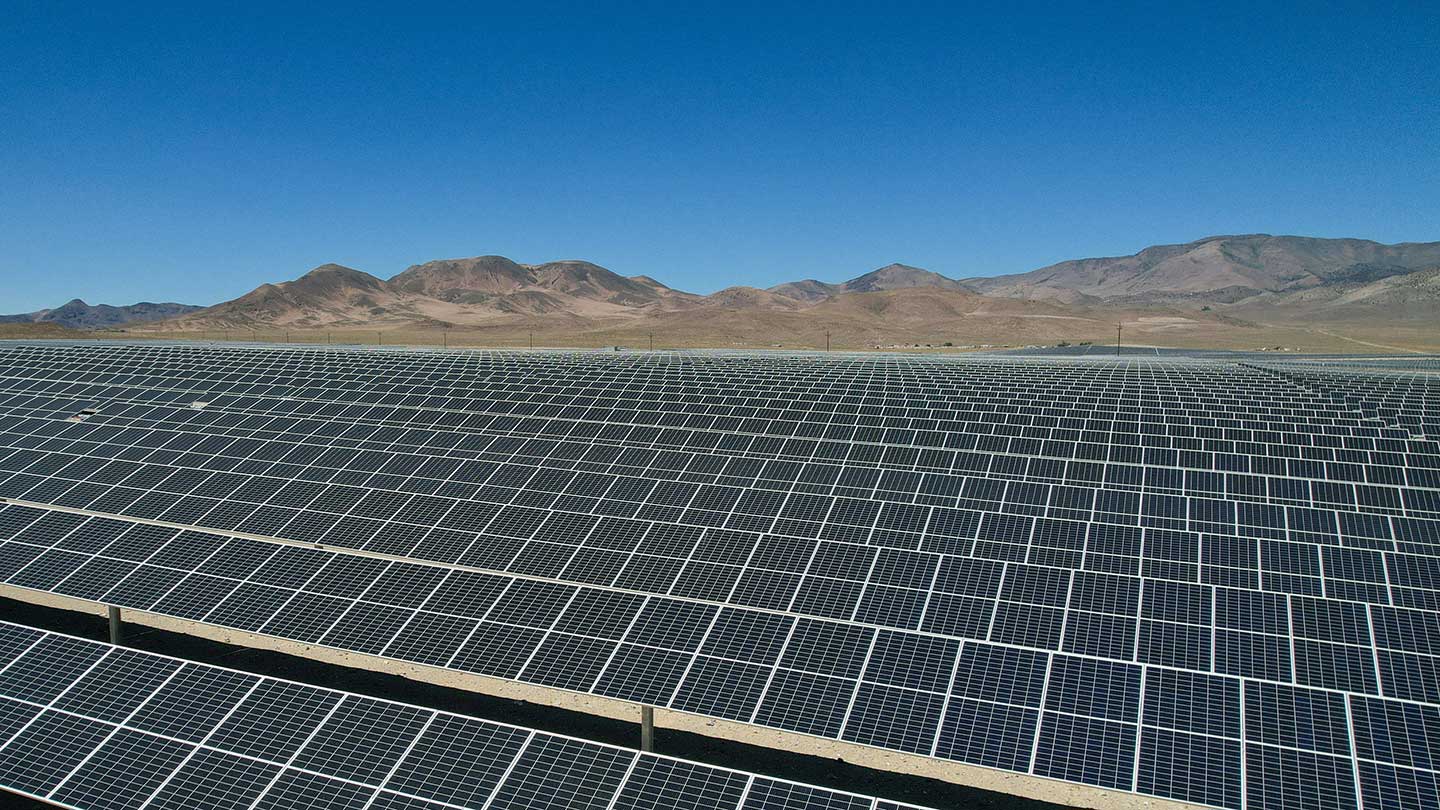
As solar developers expand into more complex landscapes, from rolling agricultural fields to brownfield sites and reclaimed industrial land, the need for precision in grading has never been greater. The challenge is no longer simply how to grade, but how much to grade - balancing cost, energy yield and environmental impact.
This is where integrated solar grading optimization software transforms the design process.
The Growing Complexity of Modern Solar Projects
The solar industry has evolved dramatically over the past decade. Once centered around small-scale rooftop installations, it is now dominated by large-scale solar projects spanning hundreds or even thousands of acres. According to the Solar Energy Industries Association (SEIA), the U.S. alone added over 50 GW of new solar capacity in 2024, marking the largest single-year growth for any energy source in more than 20 years.
How Grading Choices Shape System Performance and ROI
This growth brings both opportunity and complexity. As developers target uneven or lower-cost sites, grading optimization plays a pivotal role in project feasibility. Poorly optimized grading can increase cut-and-fill volumes by up to 40%, driving up civil construction costs and eroding margins. Yet excessive flattening can also disrupt natural drainage and reduce energy yields by altering panel tilt and azimuth across the site.
In short, grading decisions directly affect both system performance and project profitability - two metrics that determine whether a solar project proceeds or stalls.
Why Grading Optimization Matters in Utility-Scale Solar Design
Traditional grading methods rely heavily on static CAD models and manual iterations between engineering teams. Civil engineers, electrical designers, and energy modelers often work in isolation, each using different software tools to analyze slope, layout or performance. Every data transfer introduces risk, such as lost information, inconsistent assumptions and avoidable rework.
The result? Projects that look optimal in theory can prove inefficient or expensive in construction.
The Power of Integrated Solar Design
Our integrated solar design software changes this dynamic by bringing all design disciplines - civil, electrical and energy - into a single cohesive platform. Instead of working through disconnected tools, solar engineers and developers can now evaluate grading, tracker configurations, shading and performance in real time.
This convergence represents a fundamental shift in how solar installation companies and professionals can plan and execute projects.

From Manual Modeling to Integrated Precision
Historically, grading optimization meant exporting terrain data to CAD software, estimating cut-and-fill quantities, with no real guarantee that the final layout would preserve energy performance. Yet with today’s utility-scale projects exceeding 1 GW, manual approaches can no longer deliver the speed or precision required.
Revolutionizing Solar Design Through Intelligent Integration
PVFARM is redefining what is possible in modern solar design. As an integrated solar design platform that unites grading optimization, electrical and energy modeling, and real-time terrain analysis, it empowers developers and engineers to design smarter, plan and optimize faster, and deliver high-performing solar projects with precision.
Seamless Integration for Smarter, Data-Driven Solar Design
Unlike traditional tools, PVFARM brings every element of photovoltaic system design into one cohesive workflow - eliminating silos and enabling true data-driven decision-making. By allowing users to model complex, terrain-based PV layouts with high-resolution satellite imagery and automated algorithms, PVFARM delivers measurable cost savings, greater project efficiency, and more confident outcomes for developers, EPCs, and investors alike.
This seamless integration allows engineering teams to model multiple grading scenarios simultaneously, compare cost versus performance, and make informed design decisions backed by accurate project data.
What Makes PVFARM Different
While many solar design tools provide partial automation, PVFARM was built to unify the entire photovoltaic system design process. It is not just a grading optimization software - it is a full solar design platform designed for utility-scale and large commercial projects.
Here’s what sets PVFARM apart from other tools in the industry:
1. Multidisciplinary Integration
PVFARM integrates civil, electrical and energy modeling into a single environment. This eliminates the need to move files between CAD, PVSyst, and spreadsheets - reducing data loss, saving design time, and improving collaboration across engineering teams.
2. Real-Time Terrain and Energy Correlation
Using proprietary algorithms, PVFARM calculates grading requirements and energy yield changes in real time. Adjust a slope or tracker spacing, and the software immediately shows how that affects both construction costs and system performance.
3. High-Fidelity Terrain-Based PV Layouts
The platform processes LiDAR, DEM, and survey data to generate accurate 3D terrain models. This precision enables solar designers to create grading strategies that minimize material movement, while maintaining mechanical and electrical safety standards.
4. Scalable for Every Project Size
Whether designing a 5 MW commercial project or a 1 GW utility-scale solar system, PVFARM’s cloud-based infrastructure maintains speed and reliability. The platform scales effortlessly for developers managing multiple sites or portfolios simultaneously.
5. Full Transparency and Customization
Unlike closed or “black box” tools that hide assumptions, PVFARM provides complete visibility. Engineers can customize design parameters, modify equipment specifications, and export data for verification - ensuring accuracy and confidence in project outcomes.
The Role of Grading in System Performance
Grading impacts every aspect of a solar installation, from structural stability and tracker alignment, to drainage patterns and energy generation.
A few degrees of uneven slope can cause:
- Tracker misalignment, leading to self-shading and lost energy yield.
- Increased pile depth and steel consumption, raising installation costs.
- Water flow disruption, leading to erosion or maintenance challenges.
With PVFARM's integrated solar grading optimization software, these risks are identified early. Designers can visualize how grading interacts with tracker geometry, electrical cabling, and row spacing - and make adjustments instantly.
This real-time feedback is what allows PVFARM users to design terrain-following layouts that maintain optimal energy alignment without unnecessary earthworks.
Quantifying the Benefits: Cost, Energy and Efficiency
Every cubic meter of soil moved on-site has a cost. Studies from the National Renewable Energy Laboratory (NREL) estimate that civil construction, including grading, accounts for 15–20% of total solar project costs.
By using integrated solar design software with advanced grading optimization capabilities, developers can cut earthwork costs by 20–30%, depending on site conditions - while improving overall system performance. The benefits cascade across project stages:
- Early Design Stage → Faster feasibility studies and fewer rework cycles.
- Engineering Stage → Reduced construction costs and accurate bill of materials.
- Procurement Stage → Better data for financial analysis and financing options.
- Construction Stage → Fewer change orders, shorter build timelines.
- Operation Stage → Higher energy yields and lower long-term maintenance.
Automation That Enables Smarter Engineering
Automation in solar design isn’t about replacing expertise - it’s about amplifying it. PVFARM automates many of the most repetitive and error-prone parts of the design process, while giving engineers full control and transparency.
This includes:
- ✅ Terrain data import and slope analysis using LiDAR, DEM, or survey-based inputs.
- ✅ Cut-and-fill balancing and mass haul optimization to minimize material movement and grading costs.
- ✅ Tracker layout and stringing optimization aligned with grading tolerances and mechanical constraints.
- ✅ Real-time energy yield recalculations that update instantly as terrain or design parameters change.
- ✅ Electrical and MV cable routing analysis integrated directly with civil design layers.
- ✅ Scenario modeling and comparison tools to evaluate cost-performance trade-offs side by side.
- ✅ Seamless exports to PVSyst, CAD and GIS for downstream engineering workflows.
Accelerating Solar Design Through Intelligent Automation
By handling these complex calculations instantly, PVFARM frees engineers to focus on innovation, not iteration. The platform’s automation can reduce design time by up to 90%, enabling solar companies to bid, plan and deliver projects faster - without compromising accuracy or performance.
Seamless Integration with the Broader Design Ecosystem
In many organizations, solar design doesn’t end with engineering. Sales, finance and operations teams also rely on accurate project data to move deals forward.
Eliminating Bottlenecks Across the Solar Project Lifecycle
PVFARM bridges that gap through seamless integration with CRM systems, proposal software, and external analysis tools. This ensures a smooth transition from early design to proposal generation, financial modeling, and project execution - supporting sales teams, solar developers, and engineering departments in one cohesive workflow.
For fast-growing solar businesses, this integration reduces bottlenecks across the sales cycle, enabling them to capture more opportunities and close more deals.
Sustainability and Environmental Stewardship
Grading optimization isn’t just about cost - it’s also about environmental responsibility. By reducing material movement and preserving natural drainage, solar developers can minimize soil disturbance and carbon emissions from heavy equipment.
With terrain-based PV layouts and accurate solar designs, PVFARM enables developers to build renewable energy solutions that balance sustainability with profitability. This aligns perfectly with the solar industry’s mission to deliver clean, affordable energy at scale.
Why Integrated Design Platforms Are the Future of Solar Engineering
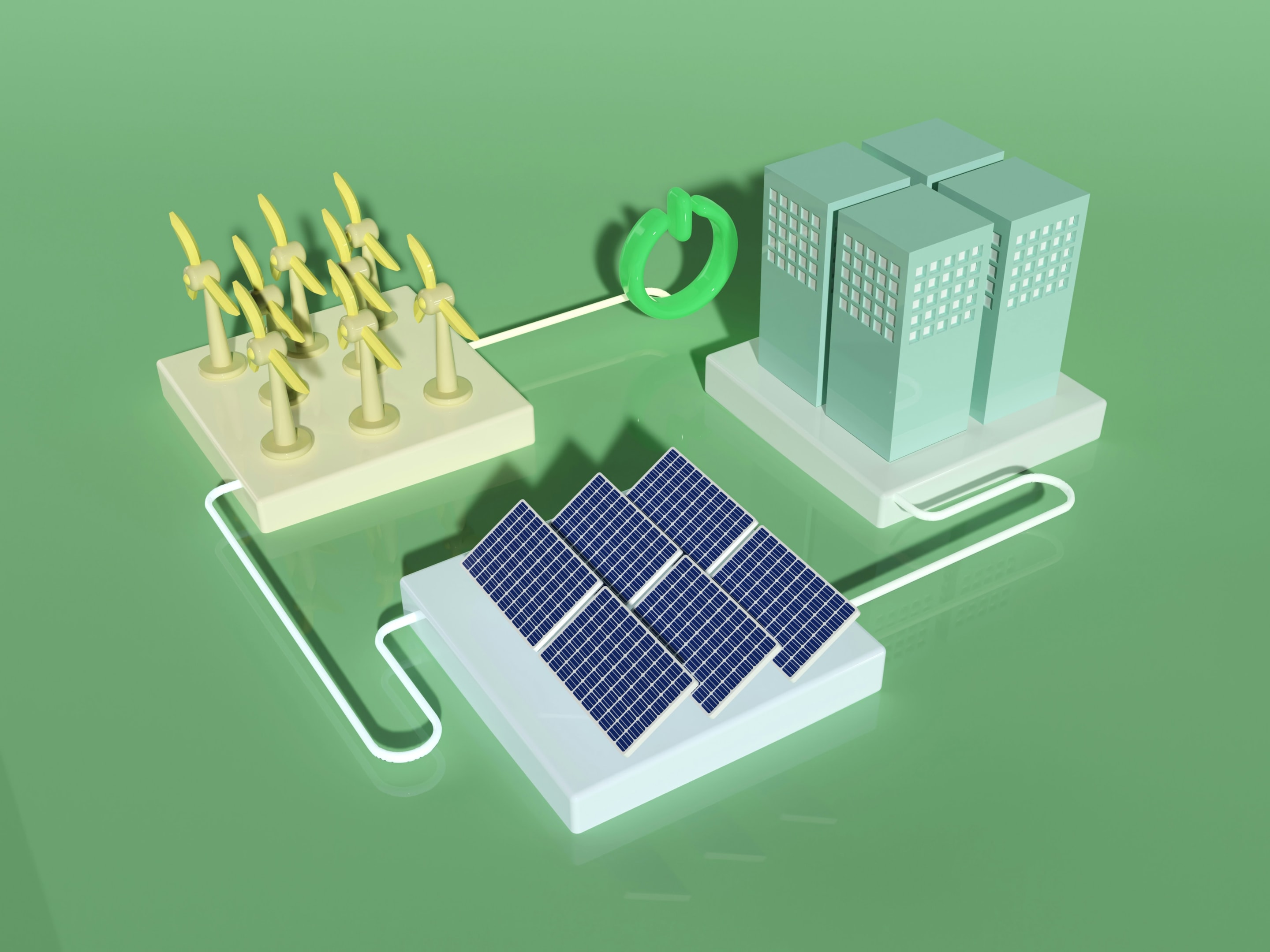
The future of utility-scale solar design lies in integration. Isolated workflows, static models, and manual processes simply can’t meet the scale, speed and precision today’s projects demand.
PVFARM's integrated solar design software platform represents the next evolution - combining grading optimization, tracker layout automation, and energy analysis into one unified system. This approach improves collaboration between solar engineers, developers, and installers, resulting in faster decisions, reduced costs and stronger project outcomes.
Whether designing residential and commercial projects, or multi-gigawatt utility-scale solar farms, PVFARM equips solar professionals with the right tools to optimize every step of the design process.
Turning Terrain into Opportunity
Grading optimization has always been a critical aspect of solar development. But with PVFARM’s solar grading optimization software built into a powerful, multidisciplinary design environment, it becomes a source of competitive advantage.
Setting a New Standard for Integrated Solar Design
By connecting terrain modeling, tracker optimization, and energy performance into one intelligent workflow, PVFARM enables solar companies to deliver projects that are faster, more cost-effective and more sustainable.
For an industry defined by innovation and precision engineering, it is the new standard for renewable energy design excellence.
See PVFARM in Action
Ready to see how PVFARM can transform your next solar project?
Book a demo or connect with our team today to learn how our integrated platform can help you reduce costs, optimize designs and deliver high-performing solar energy systems; from initial design to construction.
.jpg)
.jpg)
.png)

.png)